
𝗦𝗽𝗲𝗮𝗸𝗶𝗻𝗴 𝗧𝗿𝘂𝘁𝗵 𝘁𝗼 𝗣𝗼𝘄𝗲𝗿: 𝗛𝗼𝗺𝗲𝗿 𝘁𝗼𝗹𝗱 𝘁𝗵𝗲 𝗧𝗿𝘂𝘁𝗵 𝗔𝗯𝗼𝘂𝘁 𝗟𝗲𝗮𝗱𝗲𝗿𝘀𝗵𝗶𝗽
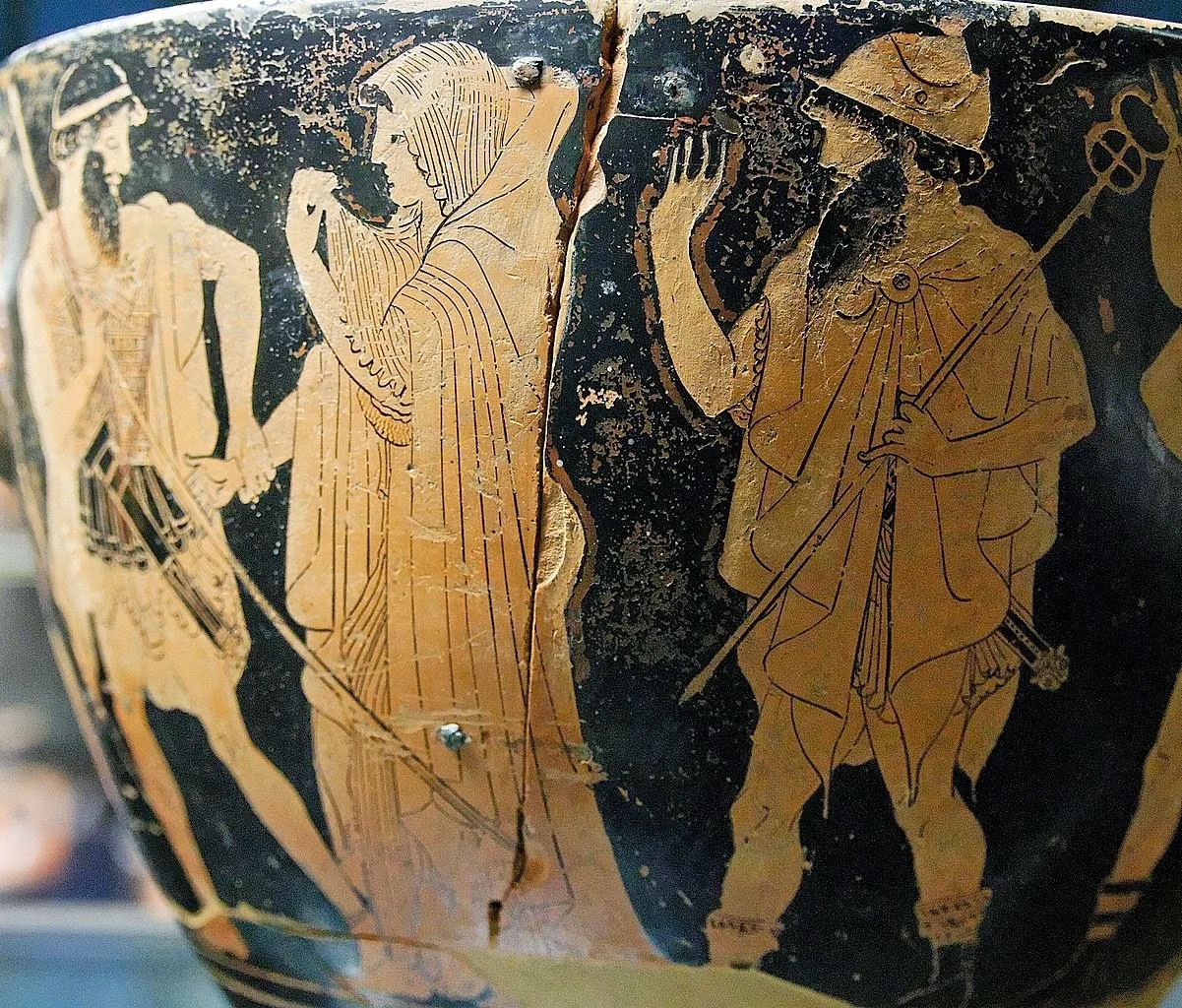
In the 9th year of the Trojan War, Apollo, son of Zeus came down from Olympus. He was in a rage.
Apollo, god of archery, began shooting arrows at the Greeks, killing them one by one. Funeral pyres burned heaps of dead Greek bodies day and night.
What or who unleashed Apollo's fury?
Agamemnon, the leader of the Greeks at Troy.
When Apollo's priest came to Agamemnon with countless ransom to buy his dear daughter's freedom (Agamemnon held her captive in his tent as a prize-of-war), Agamemnon dismissed him brutally:
" I will not let her go. She shall grow old a very long way from her fatherland ... in my house and work the loom and share my bed."
( Translation from Homeric Greek by Emily Wilson*)
For 9 days, Agamemnon refused to return the woman. Apollo's plague of death continued.
On the 10th day, Achilles, a more junior leader and the Greek's most valuable fighter, rose to speak to Agamemnon on behalf of the troops.
"You have to send this woman to the god at once. ... One day we Greeks will pay you back with treasure."
Agamemnon was furious. He berated Achilles in front of all the troops.
Agamemnon acted in a way to many of us have seen in our workplaces. A toxic boss betrays what's right. They cause psychological and moral injury to others.
Achilles spoke for everyone, including Agamemnon. Agamemnon spoke, without ethics or morals, for himself. Epic disaster followed.
***
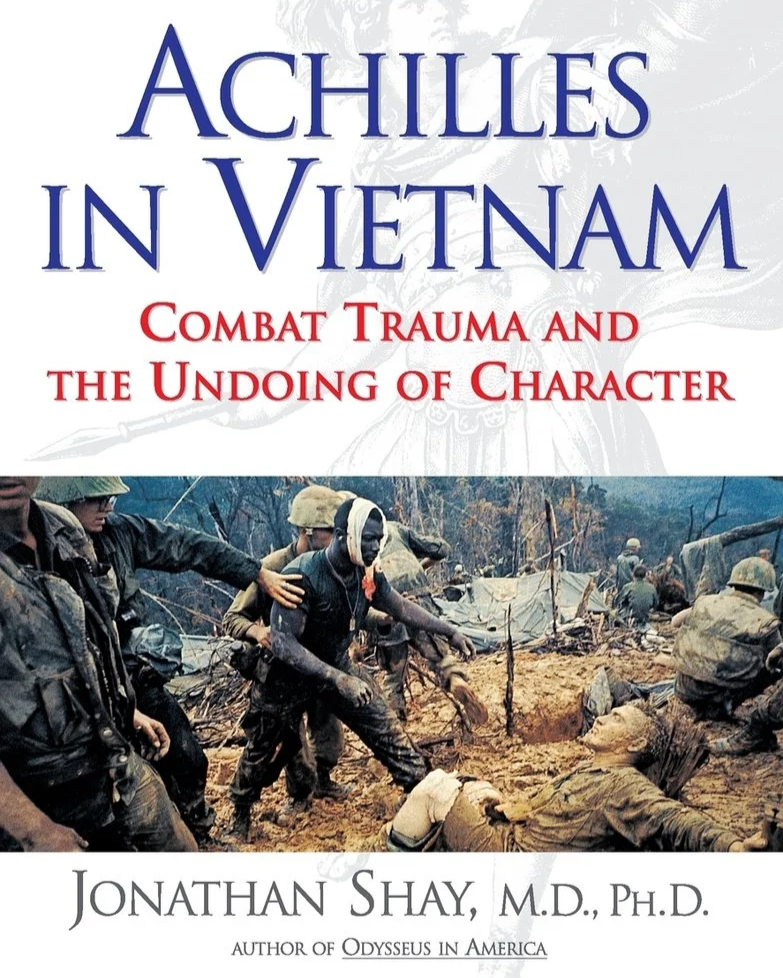
This is the first in a series of posts based on a book-in-progress. Working title: 𝘏𝘰𝘮𝘦𝘳 𝘛𝘰𝘭𝘥 𝘵𝘩𝘦 𝘛𝘳𝘶𝘵𝘩 𝘈𝘣𝘰𝘶𝘵 𝘓𝘦𝘢𝘥𝘦𝘳𝘴𝘩𝘪𝘱 by psychiatrist Jonathan Shay, MD, Ph.D. and me.
My co-author's previous books 𝘈𝘤𝘩𝘪𝘭𝘭𝘦𝘴 𝘪𝘯 𝘝𝘪𝘦𝘵𝘯𝘢𝘮 and 𝘖𝘥𝘺𝘴𝘴𝘦𝘶𝘴 𝘪𝘯 𝘈𝘮𝘦𝘳𝘪𝘤𝘢, have contributed to preventing psychological and moral injury in the military--and enriched the teaching of Homer on college campuses. Our new book aims to bring Dr. Shay's leadership lessons from Homer on preventing psychological and moral injury to a wider audience of leaders and followers.
Dignity and Home: Two Powerful Emotional Insights for Leaders
Last month, Thomas Friedman, in conversation with his New York Times colleague David Brooks about the rise of populism in the world, shared a striking insight, that he's shared before. In Friedman's experience covering conflict, the two most powerful emotions driving human beings are first, the quest for dignity and anger at humiliation, and second, the longing to be anchored in a safe, respectful home. He says this drives him, too.
Friedman explains:
"Let me start with what is a bedrock thing in my identity, and I think it’s in yours, too. For me, the two most powerful emotions driving human beings are one: humiliation and dignity. The quest for dignity and the revulsion of humiliation.
... I felt that’s really what I was covering, whether it’s about China or Russia or Palestinians or anything else.
But the second thing, the second most powerful human emotion, I believe, is home. It’s a quest for home, to be anchored in the world. As my friend Andy Karsner describes it, “to be anchored in a community where people are connected, protected and respected.”
This insight is gold for leaders embroiled in difficult negotiations and conflict resolution.
When a negotiation, leadership relationship, or deal gets bumpy, how might concern for dignity or home, ours or theirs, be at play?
Are others trying to humiliate us or keep from being humiliated? Are others looking for an organizational "home" where they are protected, respected, and connected?
If so, what constructive moves -- words, concessions, proposals, initiatives -- might we create that will acknowledge others dignity or protect their sense of home in ways that will help keep things from falling apart?
The whole interview is fascinating and rich with lessons for leaders (and citizens).
The Power of a Relaxed Emotional Tone
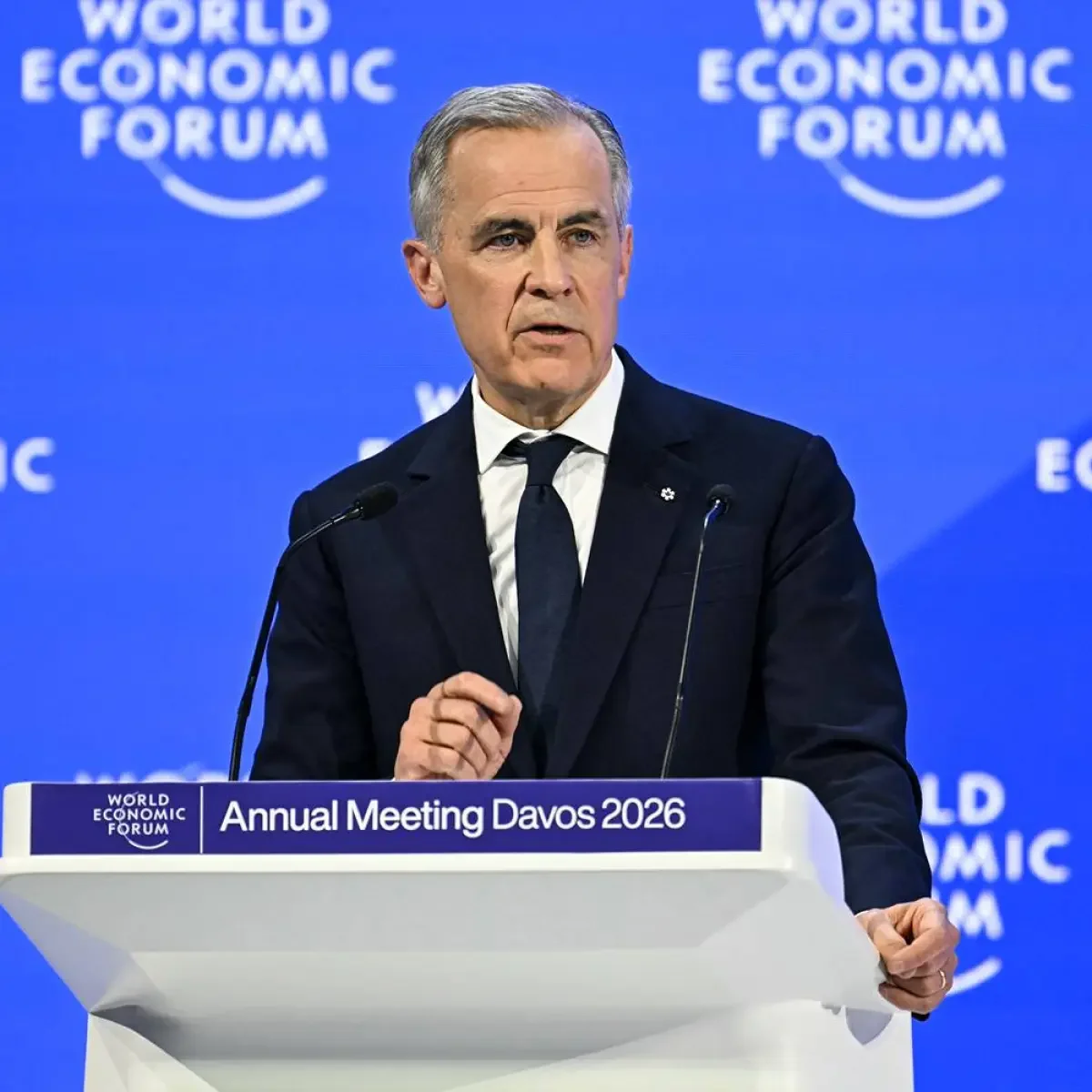
Canadian Prime Minister Mark Carney - Davos 2026
There is so much to learn about leadership from Canadian Prime Minister Mark Carney’s masterful speech at Davos earlier this week. Speaking of how middle powers can respond to “rupture” in the world order, Carney channeled the ancient Greek historian Thucydides in noting, “...the strong can do what they can, and the weak must suffer what they must.”
But Carney did not focus on weakness. He did not complain. Instead, he shone a light. He described a path forward for middle powers such as Canada and Europe in the face of great-power rivalry between the U.S., Russia, China.
Carney was warm and thoughtful. He was confident. He was relaxed. He was powerful.
Carney demonstrated the importance of a leader’s emotional tone. He showed that when a leader is calm, it can help others relax, think, and draw on their own deliberative cognitive resources. A relaxed tone can help inspire others to join without fear.
If you haven’t seen it, the address is well worth watching–for leadership lessons as well as global affairs.